Hybrid Flooring Installation: DIY or Professional?
Hybrid flooring has emerged as a popular choice for homeowners and tradespeople due to its durability, water resistance, and stylish look that mimics natural timber. But when it comes to installing hybrid flooring, many are faced with a critical question: should you opt for a DIY approach or hire a professional? Both routes have their pros and cons, and the right choice depends on your experience, time availability, and specific needs. Let’s explore these options in detail to help you decide which path is best for your flooring project.
Understanding Hybrid Flooring: What Makes It Special?
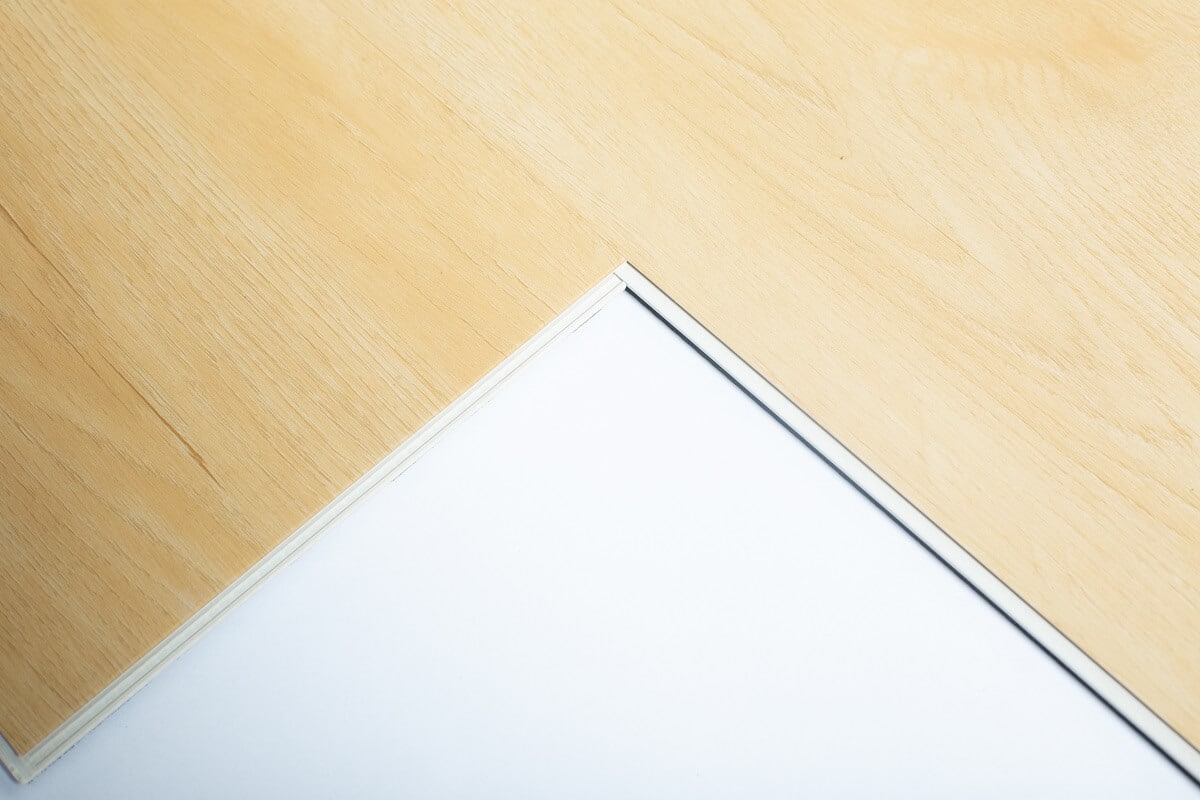
Before diving into the installation options, it’s essential to understand what hybrid flooring is. Hybrid flooring combines the best features of laminate and vinyl flooring, offering the natural appeal of hardwood with the added durability and waterproofing of vinyl. It is made with a multi-layer construction that includes a rigid core layer, a decorative print layer, and a wear layer that protects against scratches and daily wear.
Thanks to its water resistant nature, hybrid flooring is suitable for most of the rooms, including kitchens and high-traffic areas. Its stability and resistance to temperature changes make it a top choice for homes in climates like Brisbane and South East Queensland, where weather can vary significantly.
“Every great design begins with an even better story.” – Lorinda Mamo, Designer
DIY Hybrid Flooring Installation: Pros and Cons
The appeal of a DIY approach to hybrid flooring installation is clear. It can be cost-effective, empowering, and offers a sense of accomplishment. Here’s a closer look at what to expect if you decide to go down the DIY route:
Pros of DIY Installation
- Cost Savings: One of the most significant advantages of installing hybrid flooring yourself is the potential to save money. According to a blog by Billry, if you know where to shop and what to look for when you shop, you can land some jaw-dropping deals that can help you save money while creating an opulent space that looks like you spent far more money than you did. By handling the labour yourself, you can cut down on expenses that would otherwise go towards paying a professional installer.
- Flexibility in Scheduling: With DIY, you have the freedom to work on your flooring project according to your schedule. Whether it’s a weekend endeavour or an after-work project, you can pace the installation process to suit your availability.
- Satisfaction of Hands-On Work: Many DIY enthusiasts find joy in the hands-on aspect of installing their own flooring. It allows you to take pride in creating a new look for your home, which can be a rewarding experience.
- Readily Available Resources: Numerous tutorials and guides are available online, which can provide step-by-step instructions for installing hybrid flooring. With the right tools and preparation, even a novice can undertake a basic installation.
Cons of DIY Installation
- Time-Consuming: Hybrid flooring installation can be time-intensive, especially if it’s your first time. Properly preparing the subfloor, measuring, cutting, and laying the planks requires patience and precision. Mistakes can result in wasted materials and extra time spent on corrections.
- Lack of Professional Expertise: Hybrid flooring installation may seem straightforward, but it often requires detailed knowledge of floor preparation, levelling, and proper installation techniques. As mentioned in a blog by UB HardWoods, if you try to install your own flooring, the outcome may not be ideal. Hiring a professional insures quality control and decreases the likelihood you’ll need costly repairs further down the line. Without expertise, DIY installers may overlook these critical aspects, leading to potential issues like uneven flooring or gaps.
- Tool Requirements: Installing hybrid flooring requires specific tools, such as a flooring cutter, spacers, and a mallet. While many tools can be rented, you’ll need to factor in these costs, which might reduce the savings of a DIY project.
- Potential for Voided Warranties: Some hybrid flooring products come with warranties that require professional installation to remain valid. If not installed correctly, you could risk voiding the warranty, which might lead to costly repairs down the road. Please read warranties before you purchase.
Professional Hybrid Flooring Installation: Pros and Cons
Hiring a professional for your hybrid flooring installation can offer peace of mind and ensure a high-quality finish. Let’s explore the benefits and drawbacks of opting for professional services:
Pros of Professional Installation
- Quality Assurance: Professional installers bring expertise to the table, ensuring that your flooring is installed correctly and efficiently. This reduces the risk of errors like uneven planks, lifting edges, or incorrect spacing, which can compromise the floor’s longevity.
- Time Efficiency: While DIY projects can stretch over weeks, professionals can complete installations much more quickly. This is particularly valuable if you’re working on a tight timeline or have a large area to cover. The convenience of letting a professional handle the hard work is often worth the investment.
- Access to Specialized Tools: Professional installers come equipped with the necessary tools and machinery, from floor cutters to levelling tools, ensuring a seamless and smooth installation process. This can save you the time and hassle of sourcing and learning to use unfamiliar tools.
- Warranties and Guarantees: Many professional installers offer a workmanship warranty, providing you with added assurance. Additionally, some flooring manufacturers require professional installation for warranty eligibility, making this option a smart choice for long-term peace of mind.
Cons of Professional Installation
- Higher Costs: The most obvious drawback of professional installation is the cost. Labour charges can add up, especially if your project involves multiple rooms or requires intricate work like cutting around corners and stairs.
- Less Control Over Timing: When working with a professional, you’ll need to coordinate schedules. This can be inconvenient if you have a busy calendar or prefer to have the work done at a specific time.
- Limited Hands-On Involvement: For those who enjoy the satisfaction of DIY projects, handing the reins over to a professional might mean missing out on the personal gratification of completing the job yourself.
Factors to Consider When Choosing Between DIY and Professional Installation
If you’re on the fence about whether to tackle the installation yourself or hire a professional, consider these factors:
- Size of the Project: Larger rooms or whole-home installations can be challenging for DIYers, while smaller spaces like a single room may be more manageable. Professional installation is generally better suited for extensive projects that require precision.
- Skill Level: Honest self-assessment is key. If you have some experience with home improvement projects or are confident in following instructions, DIY might be a viable option. However, if you’re uncertain, it may be wise to leave it to the professionals.
- Budget: Your budget will significantly impact your decision. While DIY can save money upfront, consider the potential costs of fixing mistakes or renting tools. Professional installation may have a higher initial cost but can offer long-term value through quality results.
- Time Availability: Consider how much time you have to dedicate to the project. DIY installations can take days or even weeks, depending on the scale. Hiring a professional can save time and minimise disruption to your daily routine.
Final Thoughts: Making the Right Choice for Your Hybrid Flooring Project
The decision to install hybrid flooring yourself or to hire a professional ultimately depends on your personal circumstances, including your budget, time, and expertise. Both options have their unique benefits, and understanding these can help you make an informed choice.
For those looking to save money and enjoy the satisfaction of a hands-on project, a DIY hybrid flooring installation can be a rewarding experience. But if you value time efficiency, precision, and a smooth, stress-free process, professional installation by Homely Flooring is your best bet. No matter which option you choose, investing in our high-quality hybrid flooring ensures a stunning, long-lasting finish that will elevate the look and value of your space for years to come. Plus, with Homely Flooring’s premium products and expert support, you’ll have everything you need to achieve the perfect result. Visit us today!
FAQs
What is hybrid flooring and why is it popular?
Hybrid flooring is a versatile flooring option that combines the best features of vinyl and laminate. It offers the natural appearance of timber with enhanced durability and waterproof qualities, making it ideal for various rooms, including kitchens and bathrooms. Its popularity stems from its ability to withstand moisture, temperature changes, and daily wear, making it suitable for both residential and commercial spaces.
Can I install hybrid flooring myself?
Yes, hybrid flooring can be installed as a DIY project, especially if you have basic knowledge of flooring installation. The click-lock system used in hybrid flooring makes it relatively easy to lay down without the need for adhesives. However, it requires proper preparation, precise measurements, and the right tools to ensure a smooth and even installation. If you’re confident in your skills, DIY can be a cost-effective option.
How much does professional hybrid flooring installation cost?
The cost of professional hybrid flooring installation can vary based on factors like room size, location, and the complexity of the installation. Generally, you can expect to pay between $30 to $40 per square metre for professional services. While this adds to the overall cost, it ensures a precise and high-quality finish, reducing the risk of mistakes that might occur during a DIY attempt.
What are the benefits of professional hybrid flooring installation?
Hiring a professional for hybrid flooring installation offers several benefits. Professionals bring expertise, ensuring that your flooring is installed correctly and evenly, which helps prevent common issues like gaps or uneven planks. They also have access to specialised tools and offer warranties, providing peace of mind. This is a great option for larger projects or when you want the assurance of a flawless finish.
How long does it take to install hybrid flooring?
The time it takes to install hybrid flooring depends on the size of the area and whether you choose a DIY approach or hire a professional. For a single room, DIY installation may take a few days, accounting for preparation and learning curves. Professionals can typically complete the same job in a day or two, thanks to their experience and access to efficient tools.
What tools do I need for DIY hybrid flooring installation?
For DIY hybrid flooring installation, you’ll need several tools, including a flooring cutter, rubber mallet, measuring tape, spacers, and a straightedge. Having these tools on hand ensures that you can measure, cut, and lay down the planks accurately. Many of these tools can be rented if you don’t want to purchase them outright.
Does DIY installation void the warranty on hybrid flooring?
In some cases, DIY installation can void the warranty provided by the flooring manufacturer. Many warranties require professional installation to ensure that the flooring is laid correctly and under proper conditions. It’s important to check the warranty terms before deciding on a DIY approach to avoid losing potential coverage for defects or issues that could arise.
Ready for a flooring makeover? Visit Homely Flooring to explore top-quality options in Brisbane.