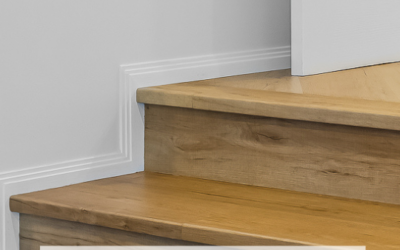
When it comes to installing new floors, homeowners want to ensure the job is done correctly and efficiently. Hiring the right flooring professionals is crucial, but with so many options available, it can be overwhelming.
Before hiring flooring installers and contractors, it’s essential to ask the right questions. This not only helps you understand their experience and qualifications but also ensures they are the best fit for your project
- Understand the importance of asking the right questions to your flooring professionals.
- Learn how to assess the experience and qualifications of potential contractors.
- Discover key questions to ask when hiring for your flooring project.
- Gain insights into what to look for in a contractor’s portfolio and references.
- Understand how to ensure your contractor is properly licensed and insured.
Why Asking the Right Questions Matters When Hiring Flooring Professionals
When it comes to flooring installation, asking the right questions can make all the difference. Hiring a flooring professional is a significant decision that affects not only the aesthetic appeal of your home but also its overall value and functionality.
The Impact of Proper Flooring Installation on Your Home
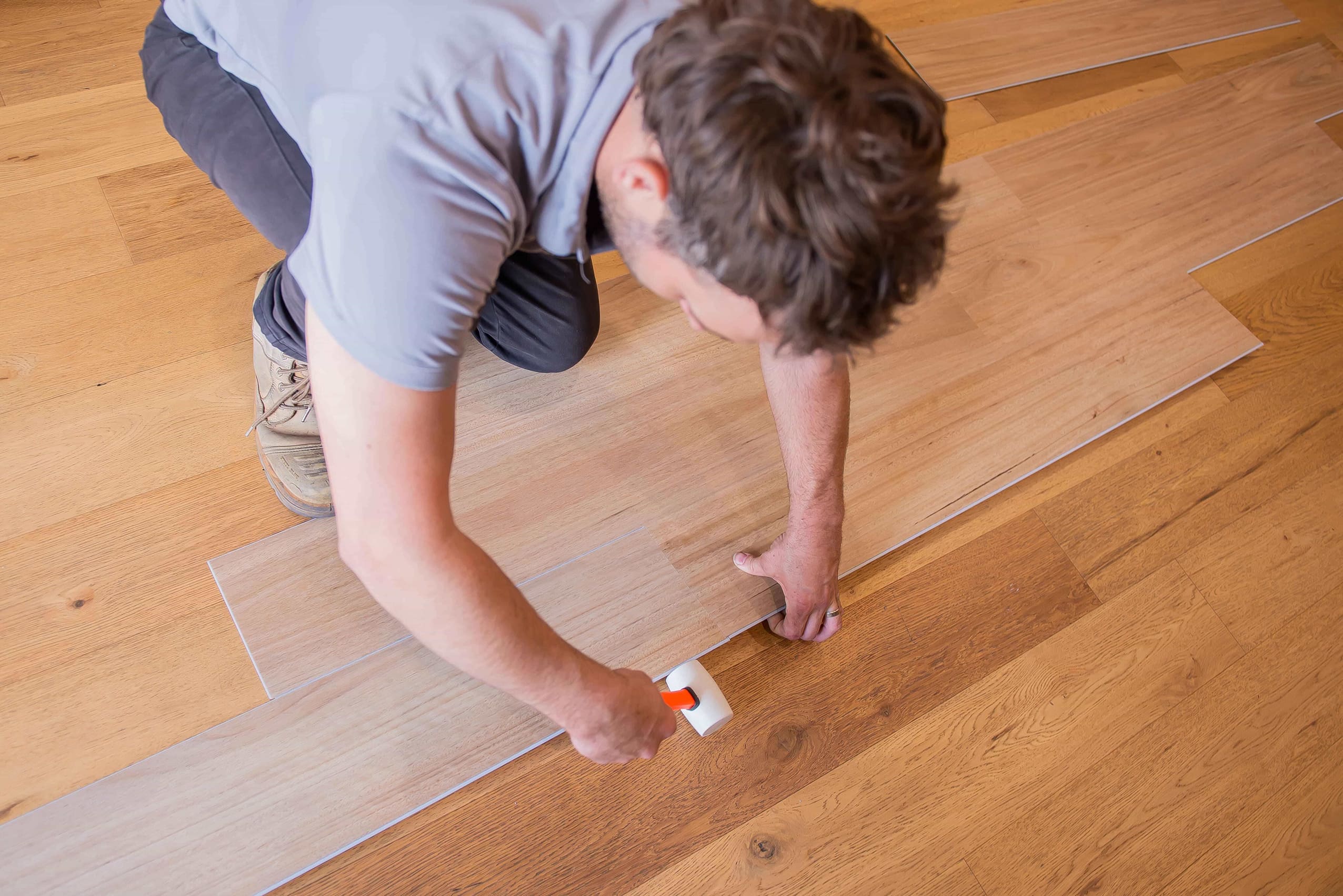
Proper flooring installation is crucial for the longevity and performance of your floors. A poorly installed floor can lead to costly repairs, safety hazards, and a decrease in your home’s overall appeal.
Subfloor preparation is a critical aspect of flooring installation. Ensuring that the subfloor is level, clean, and dry is essential for a successful installation. Failure to properly prepare the subfloor can result in uneven flooring, gaps, and other issues that can compromise the integrity of the floor.
| Aspect | Proper Installation | Poor Installation |
| Subfloor Preparation | Ensures a level and stable surface | Can lead to flooring failure |
| Flooring Material | Enhances durability and aesthetic appeal | May result in premature wear and tear or flooring failure |
| Installation Technique | Ensures a secure and long-lasting installation | Can lead to gaps, unevenness, and flooring failure |
How Good Communication Prevents Costly Mistakes
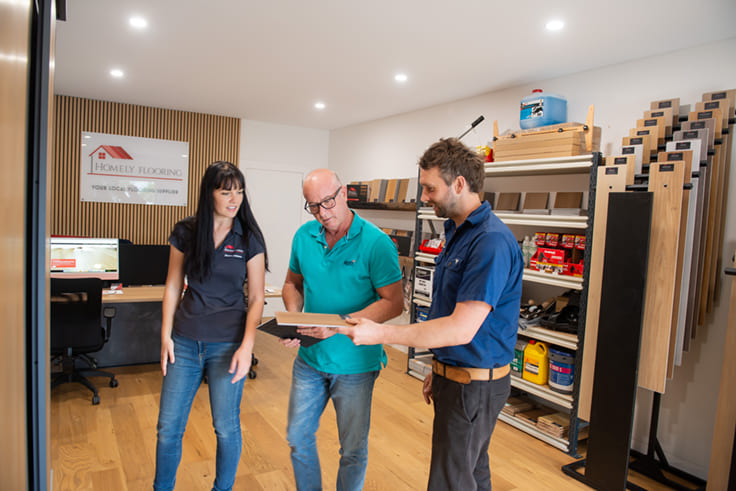
Effective communication with your flooring professional is key to avoiding costly mistakes and ensuring that your flooring project meets your expectations. By asking the right questions, you can clarify any doubts and ensure that the installer understands your needs and preferences.
Good communication can help prevent misunderstandings about the project’s scope, timeline, and budget. It can also facilitate a smoother installation process, reducing the likelihood of delays and costly rework.
Essential Questions About Experience and Qualifications
The key to a successful flooring project lies in understanding the experience and qualifications of your chosen installers and contractors. A well-qualified team can make a significant difference in the quality and durability of your flooring.
To ensure you’re hiring the right professionals, you need to ask the right questions. This includes inquiring about their licensing, insurance, and experience, as well as areas of specialisation.
Licensing and Insurance Requirements

It’s vital to verify that your flooring installers are properly licensed and insured. For you to be sure you can check here if they hold a license. QBCC Licence ensures they have the necessary training and knowledge to perform the job correctly. Insurance protects you and your property in case of accidents or damage during the installation.
When asking about licensing, insurance, and experience, be sure to request documentation and verify it with the relevant authorities if necessary.
If your flooring installer is a member of ATFA (Australian Timber Flooring Association), it tells you about their commitment to professionalism, ongoing training, industry standards, and delivering quality workmanship you can trust.
Years in Business and Specialisation Areas
The number of years a company has been in business can be a good indicator of its reliability and experience. Longevity often suggests a track record of satisfied customers and successful projects. It’s also important to ask about their specialisation areas, as some installers may have more experience with certain types of flooring.
Portfolio and Reference Verification
Reviewing a contractor’s portfolio and verifying references can provide valuable insights into their work quality and professionalism. A comprehensive portfolio should include examples of previous work, showcasing their capabilities and attention to detail. References from past clients can offer firsthand accounts of their experience working with the contractor.
By asking the right questions about experience and qualifications, you can make an informed decision and ensure your flooring project is in good hands.
Questions About Flooring Installers and Contractors’ Previous Work
Assessing the previous work of flooring contractors can help you make an informed decision. By understanding their experience with similar projects, you can gauge their ability to handle your specific flooring needs.
Similar Projects and Case Studies
Reviewing the past projects of flooring professionals is essential. It allows you to see the quality of their work and their attention to detail. Ask to see case studies or examples of previous installations, especially those similar to your project. This will give you insight into their capabilities and experience with different types of flooring materials and installation techniques.
For instance, if you’re installing hybrid floors, ask to see examples of their hybrid flooring work. This can include before-and-after photos, customer testimonials, or even a visit to a recently completed project. By examining their previous work, you can assess their craftsmanship and determine if they meet your expectations.
Handling Challenges and Problem-Solving Approaches
Every flooring installation project can encounter unexpected challenges, such as uneven subfloors or structural surprises, and this is where experience and expertise make all the difference.
A competent flooring installer will have a systematic approach to addressing challenges. They should be able to explain their process for identifying and resolving issues, ensuring that the project stays on track and meets the required quality standards. By understanding their approach to problem-solving, you can have confidence in their ability to handle any unexpected issues that may arise during your project.
Project Preparation and Assessment Questions
The success of a flooring project depends on thorough preparation and assessment. This involves understanding the condition of your subfloor and ensuring your home is ready for the installation process.
Subfloor Evaluation and Preparation Requirements
Evaluating the subfloor is a critical step before installing new flooring. The subfloor must be level, clean, and dry to ensure a successful installation. Subfloor preparation may involve fixing any damaged or uneven areas, cleaning the floor thoroughly, and checking for any moisture issues.
It’s essential to ask your flooring installer about their process for evaluating and preparing the subfloor. This includes understanding what they look for during the assessment and how they address any issues found.
Home Readiness and Pre-Installation Steps
Preparing your home for flooring installation involves several steps. This may include removing furniture and fixtures, protecting adjacent areas with plastic, and ensuring clear access to the installation site.
Homeowners should also be prepared to discuss their expectations and any specific requirements they may have, such as the need to work around certain features or schedules.
Cost and Payment Questions to Ask Before Signing
Understanding the financial aspects of your flooring project is just as important as choosing the right material. When hiring flooring installers and contractors, it’s essential to clarify the cost and payment terms to avoid any misunderstandings or unexpected expenses.
Before signing a contract, homeowners should ensure they comprehend the total cost of the project, including all materials and labour. This involves asking the right questions about quotes, payment schedules, and potential additional costs.
Understanding Quotes and Estimates
A detailed quote or estimate is crucial for understanding the total cost of your flooring project. Homeowners should ask their contractor to break down the costs into materials, labour, and other expenses. This breakdown helps in identifying any potential areas for cost savings or areas where the cost might be higher than expected.
Payment Schedules and Financing Options
Discussing payment schedules and financing options with your contractor is vital. Homeowners should ask about the payment schedule, including the deposit required, progress payments, and the final payment.
Some contractors may offer financing options or accept various payment methods. Understanding these options can help homeowners manage their budget more effectively.
Handling Additional Costs and Contingencies
Even with a detailed quote, additional costs can arise during a flooring project. One of the most common is floor preparation, such as levelling uneven subfloors, or addressing moisture issues. These costs often can’t be fully quoted in advance, as the extent of the work usually becomes clear only once the old flooring is removed.
Homeowners should ask their contractor about their policy on handling unexpected expenses or changes in the project scope. Having a contingency plan in place can help mitigate the impact of additional costs. This might involve setting aside a portion of the budget for floor preparation and other unforeseen expenses, or having a clear process for approving changes to the original plan.
Timeline and Scheduling Considerations
Understanding the timeline and scheduling considerations is crucial when hiring flooring professionals for your project. A well-planned installation process ensures that the project is completed on time and within budget. According to Tony’s Flooring, being aware of the project schedule and discussing it clearly with your contractor helps set proper expectations and avoid delays.
When discussing the project timeline with your contractor, it’s essential to understand the factors that influence the duration and scheduling of the work. This includes assessing the complexity of the job, the availability of materials, and the workforce required to complete the project.
Project Duration Expectations
The duration of a flooring installation project can vary significantly depending on the size of the area, the type of flooring being installed, and the complexity of the job. Your contractor should provide a detailed estimate of the project duration, including the start and completion dates. Some common questions are answered in Reddit and may help you as you plan with your home upgrade.
Delays and Contingency Planning
Despite the best planning, delays can occur due to unforeseen circumstances such as material delivery issues or unexpected subfloor damage. It’s crucial to discuss contingency plans with your contractor, including strategies for mitigating delays and adjusting the project schedule as needed.
Work Hours and Property Access Requirements
Clarifying the work hours and property access requirements with your contractor is vital to ensure a smooth installing floors process. This includes understanding the expected working hours, access needs for workers and equipment, and any specific requirements for protecting your home and belongings during the project.
By understanding these timeline and scheduling considerations, you can better manage your expectations and ensure a successful flooring installation project.
Material Selection and Sourcing Questions
Choosing the right materials for your flooring project is crucial for its success. The type and quality of materials used can significantly impact the durability, appearance, and overall cost of the project.
Contractor-Supplied vs. Customer-Purchased Materials
One of the key decisions you’ll need to make is whether to have your contractor supply the materials or to purchase them yourself. Contractor-supplied materials can simplify the process, as they often have established relationships with suppliers and can ensure that the materials are compatible with their installation methods.
On the other hand, customer-purchased materials give you more control over the selection and cost. However, it’s essential to ensure that the materials you choose are suitable for the project and meet the contractor’s requirements.
Quality Assurance and Material Warranties
Ensuring the quality of the materials is vital. Ask your contractor about the warranties offered by the manufacturers and their policies on defective materials. A comprehensive warranty can provide peace of mind and protect your investment.
Eco-Friendly and Sustainable Options
If sustainability is a priority for you, discuss eco-friendly options with your contractor. Many manufacturers now offer green flooring products made from recycled or sustainably sourced materials. These options can not only reduce your environmental footprint but also enhance the aesthetic appeal of your space.
Choosing eco-friendly flooring helps reduce environmental impact, improve indoor air quality, and supports sustainable manufacturing practices.
By asking the right questions about material selection and sourcing, you can ensure that your flooring project meets your needs, budget, and sustainability goals.
Post-Installation Questions and Considerations
Completing a flooring installation is just the beginning; there’s still important information to gather from your contractors. Ensuring you understand the post-installation details can significantly impact the longevity and appearance of your new floors.
Warranty and Guarantee Information
It’s vital to understand the warranty and guarantee offered by your flooring installers and contractors. This includes knowing the duration of the warranty, what it covers, and any conditions that might void it. A comprehensive warranty can provide peace of mind and protect your investment.
Maintenance Instructions and Best Practices
To keep your new floors looking their best, you need to follow the right maintenance routine. Ask your contractors for specific maintenance instructions tailored to your flooring type. This might include recommendations for cleaning products, frequency of cleaning, and any special care instructions.
Follow-up Services and Support
Find out if your flooring contractors offer any follow-up services or support after the installation is complete. This could include adjustments or repairs under the warranty, or simply advice on how to address any issues that arise.
| Post-Installation Aspect | Questions to Ask | Benefits |
| Warranty and Guarantee | What does the warranty cover? How long does it last? | Protects your investment, provides peace of mind |
| Maintenance Instructions | How should I clean and maintain my new floors? | Ensures longevity and maintains appearance |
By asking the right questions after your flooring installation, you can enjoy your new floors for years to come. It’s all about understanding the details and taking the necessary steps to maintain your investment.
Conclusion: Making Your Final Decision on Flooring Professionals
Selecting the right flooring installers and contractors is crucial for the success of your flooring projects. By asking the right questions, you can ensure a smooth installation process and a high-quality finish.
Proper subfloor preparation is essential for a successful installation. Verify that your chosen professionals understand the importance of this step and are equipped to handle it.
When evaluating potential contractors, consider their experience with various flooring types and their approach to installing floors. A thorough understanding of the installation process and potential challenges will help you make an informed decision.
By carefully assessing the qualifications, experience, and licences of flooring installers and contractors, you can confidently choose the best professional for your project, ensuring a successful outcome and a beautiful new floor.
FAQ
What is the importance of subfloor preparation in flooring installation?
Subfloor preparation is crucial for a successful flooring installation. It ensures the floor is level, clean, and dry, which helps prevent future flooring failure. Proper subfloor preparation is a key step in the installation process.
How do I verify a flooring contractor’s qualifications and experience?
To verify a contractor’s qualifications, check for licenses and insurance. Ask about their experience with projects similar to yours, and request references. Reviewing their portfolio can also give you insight into their work quality and style.
What should I expect during the flooring installation process?
During the installation, you can expect the contractor to follow the agreed-upon plan, including preparing the subfloor, laying the flooring material, and ensuring a quality finish. They should also keep you informed about the progress and any issues that arise.
How can I ensure I’m getting a fair price for my flooring project?
To ensure a fair price, get multiple quotes from different contractors, and compare their services and prices. Understand what’s included in the quote, such as materials, labour, and any additional costs. Be wary of significantly lower prices, as they may indicate lower quality work or materials.
What kind of warranty or guarantee should I expect from a flooring contractor?
A reputable contractor should offer a warranty or guarantee on their work and the materials they install. The specifics can vary, but it should cover issues like installation defects and material failures for a reasonable period.
How do I maintain my new flooring to ensure its longevity?
Maintenance instructions vary depending on the flooring type. Generally, you should clean the floor regularly, avoid harsh chemicals, and follow any specific care instructions provided by the contractor or manufacturer.
What are the benefits of choosing eco-friendly flooring materials?
Eco-friendly flooring materials are made from sustainable sources, have lower VOCs (volatile organic compounds), and are often recyclable. They can improve indoor air quality and reduce environmental impact.
How can I prepare my home for flooring installation?
To prepare your home, clear the rooms of furniture and valuables, clean the subfloor, and ensure access to the areas where work will be done. Discuss specific requirements with your contractor to ensure you’re ready for the installation.
| Ready to change your space?
Get in touch with Homely Flooring for a quote today, and allow us to assist you in all your questions about flooring. |