The Advantages and Disadvantages of Hybrid Flooring for Modern Homes
Choosing the right flooring for a modern home requires knowing hybrid flooring pros and cons. Hybrid flooring has emerged as a popular option for contemporary living spaces due to its durability, water resistance, and versatility. This guide explores the benefits and potential limitations of hybrid flooring, helping you make an informed decision for your next flooring project.
Understanding Hybrid Flooring
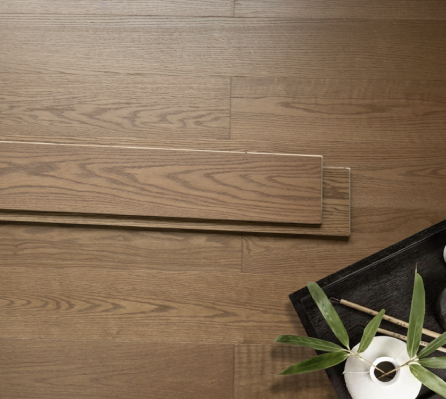
Hybrid flooring combines the durability of laminate with the water resistant qualities of vinyl. Its multi-layer construction typically includes a rigid core made of plywood or plastic composite, a design layer that mimics wood or stone, and a transparent wear layer for protection against abrasions and stains. This structure makes hybrid flooring suitable for high-traffic areas and spaces prone to spills, such as kitchens and bathrooms.
The appeal of hybrid flooring lies in its ability to provide the look of natural materials like hardwood while offering superior resistance to moisture and wear. Its soundproofing capabilities and stability under temperature fluctuations further enhance its suitability for modern living spaces.
“Design is so simple. That’s why it’s so complicated” – Paul Rand, American art director and graphic designer
Benefits of Hybrid Flooring
Enhanced Durability for Busy Spaces
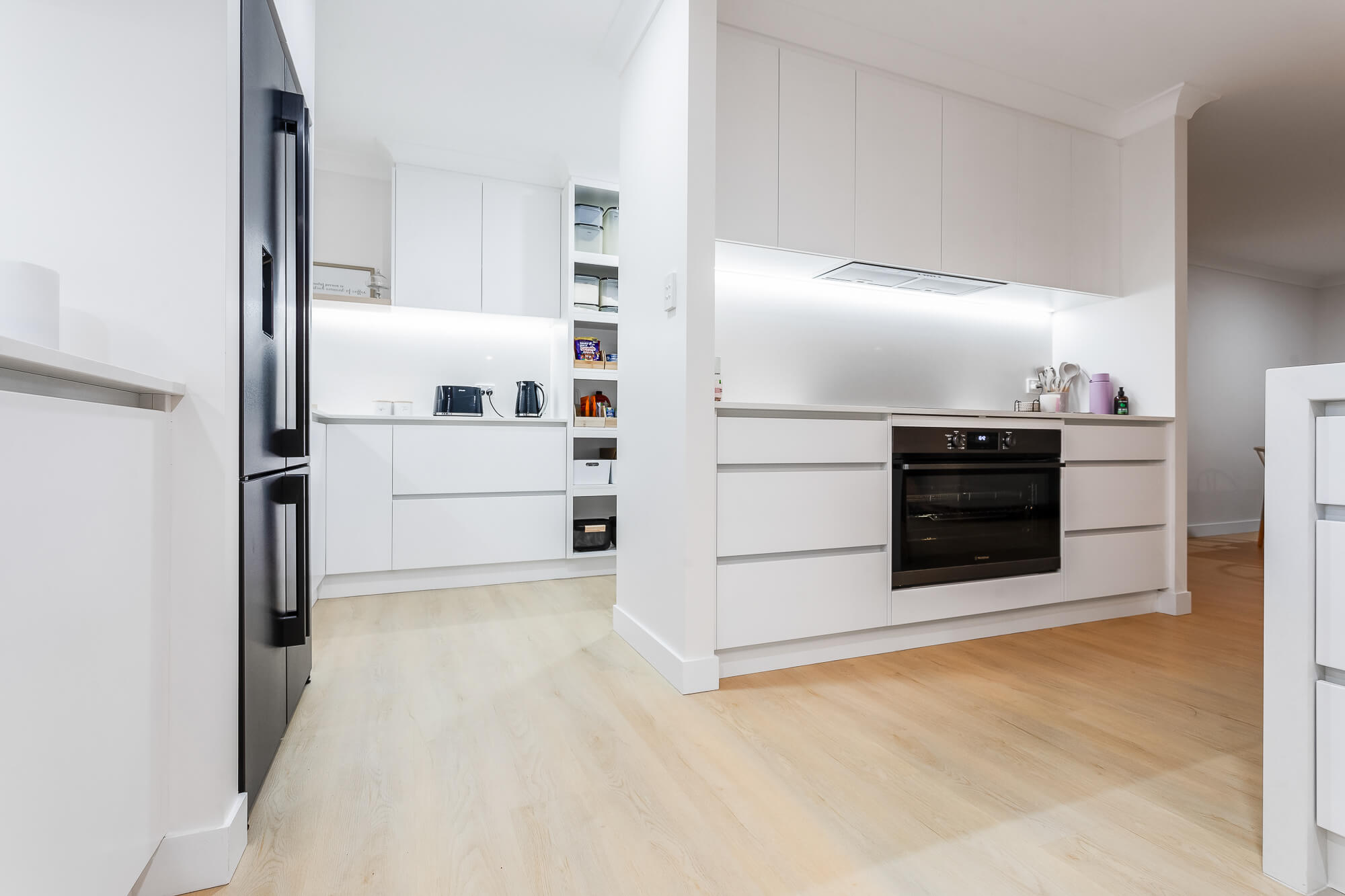
Hybrid flooring withstands heavy foot traffic without losing its aesthetic appeal, making it ideal for high-use areas like hallways and living rooms. Its water-resistant properties ensure it remains structurally intact in moisture-prone environments such as kitchens.
Water Resistance for Kitchens
Unlike traditional hardwood or laminate, hybrid flooring is designed to resist water damage. This feature reduces concerns about warping or swelling, ensuring the flooring maintains its appearance and functionality over time.
Easy Maintenance
Hybrid flooring is easy to clean, requiring only a quick sweep or mop to maintain its condition. Its surface resists stains and scuffs, making it a practical choice for households with children or pets. Homeowners can enjoy a pristine floor without the need for extensive upkeep.
Versatility in Design
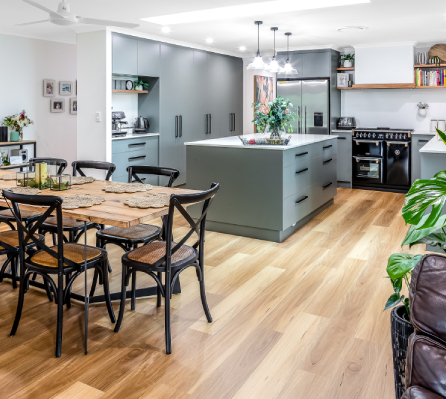
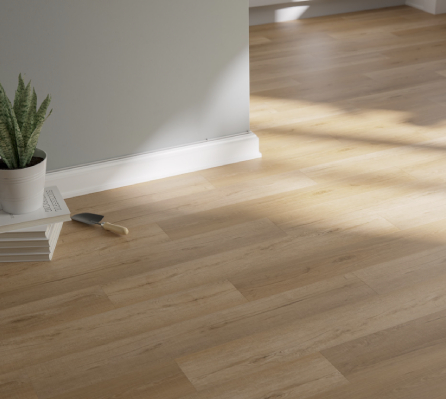
With a wide range of colours, textures, and finishes available, hybrid flooring can complement various interior styles, from modern minimalism to rustic charm. Its ability to replicate the look of natural wood or stone allows homeowners to achieve their desired aesthetic without compromising on durability.
Comfort and Noise Reduction
Hybrid flooring provides a softer feel underfoot compared to other hard flooring options. Its dense core helps reduce noise, creating a quieter and more comfortable living environment—an especially valuable feature for families or apartment dwellers.
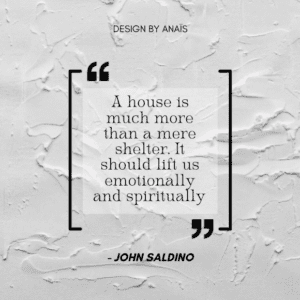
“A house is much more than a mere shelter. It should lift us emotionally and spiritually.” – John Saladino, American interior designer
Drawbacks of Hybrid Flooring
Initial Cost
Hybrid flooring can be more expensive than options like basic laminate or carpet. However, its durability and low maintenance requirements often offset the higher upfront cost, making it a worthwhile long-term investment.
Limited Refinishing Options
Unlike hardwood, hybrid flooring cannot be sanded or refinished. Once the wear layer is damaged, replacing the affected planks may be necessary. This limitation underscores the importance of proper care and maintenance.
Sensitivity to Temperature Changes
Although hybrid flooring is stable under normal conditions, extreme temperature fluctuations can cause it to expand or contract. Proper installation and acclimatization can help mitigate this risk, ensuring the flooring remains secure and visually appealing.
Environmental Considerations
While some hybrid flooring options incorporate sustainable materials, the synthetic components used in their construction may not be fully recyclable. Homeowners prioritizing eco-friendliness should research the manufacturing practices and recyclability of the flooring they choose.
Comparing Hybrid Flooring With Other Options
Hybrid vs. Laminate Flooring
Hybrid flooring outperforms laminate in water resistance and durability, making it a better choice for moisture-prone areas like kitchens. While laminate is often more budget-friendly, hybrid flooring offers greater longevity and versatility.
Hybrid vs. Vinyl Plank Flooring
Both options are water resistant, but hybrid flooring has a denser core, providing a sturdier feel and better noise insulation. Hybrid flooring also offers a more realistic wood-like appearance, enhancing its appeal for homeowners seeking style and performance.
Hybrid vs. Hardwood Flooring
Hardwood flooring is prized for its elegance and potential to increase property value. However, hybrid flooring is more resistant to scratches, dents, and moisture, requiring less maintenance and offering a practical alternative for active households.
Tips for Installation and Maintenance
Preparing for Installation
A clean and level subfloor is essential for a successful hybrid flooring installation. Allow the planks to acclimate to the room’s temperature and humidity for at least 48 hours before installation to prevent future issues like warping. Read the manufacturer’s guidelines for installation and product warranty.
Professional vs. DIY Installation
Professional installation ensures precision, particularly in spaces with uneven subfloors or high humidity. For skilled DIY enthusiasts, installing hybrid flooring can be a cost-effective project, provided they follow manufacturer guidelines closely.
Daily Care
Regular sweeping or vacuuming removes debris that could scratch the floor’s surface. A damp mop with a mild detergent is sufficient for deeper cleaning. Avoid abrasive cleaners or scouring pads to preserve the floor’s protective layer.
Protecting the Floor
Use felt pads under furniture to prevent scratches and place doormats at entrances to reduce dirt and grit. These simple measures can prolong the floor’s life and maintain its appearance.
Longevity and Replacement
Hybrid flooring can last for decades with proper care. Signs of wear, such as deep scratches or fading, may indicate it’s time for replacement. Regular inspections can help identify issues early and ensure the flooring continues to perform well.
Making an Informed Decision
When choosing flooring, consider your lifestyle, the specific needs of each room, and your design preferences. Hybrid flooring offers a compelling mix of durability, water resistance, and style, making it a versatile option for modern homes. However, its limitations, such as higher initial costs, should also be factored into your decision.
Discover the perfect balance of beauty and functionality with hybrid flooring from Homely Flooring. By understanding its benefits and challenges, you can make an informed decision to elevate your living spaces. Whether you’re upgrading one room or renovating your entire home, Homely Flooring offers premium hybrid flooring solutions that meet practical needs and modern design standards. Transform your home today with the durability and style you deserve!
FAQs
What is hybrid flooring, and how is it made?
Hybrid flooring is a durable and water-resistant flooring option that combines the best qualities of laminate and vinyl. It features a rigid core made from materials like plastic composite or plywood, a decorative layer that mimics natural wood or stone, and a transparent wear layer for protection. This multi-layered construction provides both strength and style, making it ideal for modern homes.
Is hybrid flooring suitable for high-traffic areas?
Yes, hybrid flooring is designed to withstand heavy foot traffic, making it perfect for busy spaces such as hallways, living rooms, and kitchens. Its robust wear layer resists scratches, dents, and stains, ensuring a long-lasting and visually appealing surface even in high-use areas.
Can hybrid flooring be installed in wet areas like kitchens?
Hybrid flooring is highly water-resistant, making it an excellent choice for moisture-prone areas like kitchens, and laundry rooms. Its waterproof core prevents warping and swelling, ensuring it maintains its integrity and appearance even in humid environments.
How does hybrid flooring compare to traditional hardwood flooring?
Hybrid flooring offers the aesthetic appeal of hardwood with added benefits like water resistance and durability. Unlike hardwood, it does not require regular refinishing and is more resistant to scratches and moisture. While hardwood may be preferred for its natural charm, hybrid flooring is a practical alternative for active households.
What is the best way to clean and maintain hybrid flooring?
Cleaning hybrid flooring is simple. Regular sweeping or vacuuming removes dirt and debris, while a damp mop with a mild detergent keeps the surface looking fresh. Avoid using abrasive cleaners or excessive water to preserve the protective wear layer and maintain the floor’s longevity.
Is hybrid flooring eco-friendly?
Hybrid flooring has eco-friendly aspects, such as using sustainable materials like cork or recycled wood in some products. However, its synthetic layers may pose challenges for recyclability. Consumers interested in green options should research the specific manufacturing and disposal practices of the brand they choose.
What are the potential downsides of hybrid flooring?
Some potential drawbacks include sensitivity to extreme temperature changes, limited refinishing options, and higher initial costs compared to basic laminate or carpet. Proper installation and maintenance can help mitigate these issues, making hybrid flooring a reliable long-term investment.
How long does hybrid flooring last, and when should it be replaced?
Hybrid flooring is known for its durability and can last for decades with proper care. Signs that it may need replacement include deep scratches, fading, or delamination. Regular inspections can help identify issues early, ensuring your flooring remains safe and visually appealing.