The Hidden Factors Influencing Engineered Flooring Cost
Engineered flooring is a popular choice for homeowners and trade professionals alike, offering the aesthetic appeal of hardwood with added durability and stability. However, the cost of engineered flooring can vary widely, often leaving consumers wondering what factors influence the final price. Understanding these hidden factors can help you make an informed decision and get the best value for your money.
Material Quality
The primary factor influencing the cost of engineered flooring is the quality of materials used. Engineered flooring consists of multiple layers, with a top layer of real hardwood and several core layers made from plywood. According to the blog, Why Choose Engineered Wood Flooring, this type of flooring offers excellent stability due to its layered construction.
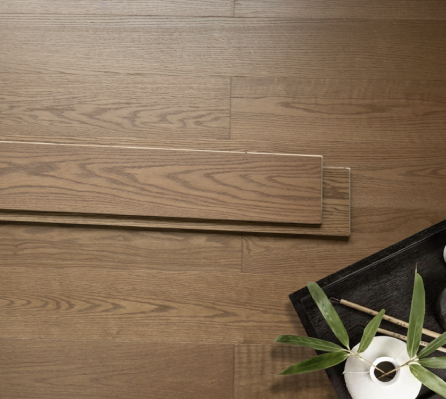
The thickness and species of the hardwood layer significantly impact the cost. Premium species like oak, maple, and walnut tend to be more expensive than less common varieties. Additionally, thicker top layers provide better durability and can be sanded and refinished more times than thinner layers, increasing the cost but also the lifespan of the flooring.
“It is quality rather than quantity that matters.” – Lucius Annaeus Seneca, was a Stoic philosopher of Ancient Rome, a Statesman, Dramatist, and in one work, Satirist, from the post-Augustan age of Latin literature
Core Construction
The core construction of engineered flooring plays a crucial role in its stability and performance. Floors with high-quality plywood cores are generally more expensive than those with HDF cores. Plywood cores made from multiple layers of wood arranged in a cross-grain pattern provide excellent stability and resistance to warping and moisture, which is particularly important in areas with fluctuating humidity levels. While HDF cores can also offer good stability, they are typically less expensive and might not perform as well in challenging environments.
Manufacturing Process
The manufacturing process used to create engineered flooring also affects the cost. Advanced manufacturing techniques that enhance the durability, stability, and appearance of the flooring often come at a higher price. For example, floors that undergo specialised treatments such as fuming or smoking to achieve unique colour variations or those that are hand-scraped for a more rustic look will typically cost more. Additionally, floors with high-quality finishes that offer better protection against wear and tear will also be priced higher.
Installation Method
The method of installation can influence both the cost of the flooring itself and the overall project cost. Engineered flooring can be installed using various methods, including glue-down, nail-down, or floating installation. Floating installations, where the flooring planks are clicked together and laid over an underlayment, tend to be less expensive in terms of labour costs but may require more expensive underlayment materials for soundproofing and moisture barriers. Glue-down and nail-down methods, while potentially more labour-intensive and costly, provide a more secure and permanent installation.
Warranty and Longevity
Flooring manufacturers often offer warranties that cover various aspects of the flooring’s performance, such as wear resistance, structural integrity, and moisture resistance. Longer and more comprehensive warranties usually indicate higher quality flooring and come with a higher price tag. It’s essential to consider the warranty terms and the potential long-term savings from reduced maintenance and replacement costs when evaluating the overall cost of engineered flooring.
Brand and Manufacturer
The brand and manufacturer of the engineered flooring can also influence the cost. Established brands with a reputation for quality and reliability often charge a premium for their products. These brands typically invest in rigorous quality control measures, innovative manufacturing processes, and extensive testing to ensure their flooring meets high standards. While opting for a reputable brand might increase the upfront cost, it can provide peace of mind and long-term value through enhanced durability and performance.
Environmental Certifications
Engineered flooring products that carry environmental certifications such as FSC (Forest Stewardship Council) or PEFC (Programme for the Endorsement of Forest Certification) are often priced higher due to the sustainable practices involved in their production. These certifications ensure that the wood used in the flooring comes from responsibly managed forests and that the manufacturing process adheres to strict environmental standards. Choosing certified flooring not only supports sustainable practices but can also appeal to environmentally conscious consumers willing to pay a premium for eco-friendly products.
Customisation Options
Customization options, such as bespoke colours, finishes, and plank sizes, can significantly impact the cost of engineered flooring. Custom orders often require additional time, labour, and materials, resulting in higher prices. However, these options allow homeowners and trade professionals to achieve a unique and personalised look that perfectly suits their design preferences and project requirements. When considering customization, it’s essential to weigh the added cost against the desired aesthetic and functional benefits.
Geographic Location
The geographic location where the flooring is purchased and installed can also affect the cost. Factors such as local market demand, availability of materials, and transportation costs play a role in determining prices. For instance, areas with a high demand for premium flooring materials may have higher prices due to competition and limited supply. Additionally, transportation costs for shipping materials from the manufacturer to the installation site can vary depending on the distance and logistical challenges involved.
Economic Factors
Broader economic factors, such as fluctuations in raw material costs, labour rates, and tariffs, can influence the cost of engineered flooring. For example, increases in the price of hardwood or plywood due to supply chain disruptions or changes in trade policies can result in higher flooring prices. Similarly, rising labour costs can impact the overall project cost, especially for installations requiring specialised skills and expertise. Keeping an eye on economic trends and market conditions can help consumers anticipate and plan for potential price changes.
Making an Informed Decision
When evaluating the cost of engineered flooring, it’s essential to consider all the hidden factors that can influence the price. By understanding the impact of material quality, core construction, manufacturing processes, installation methods, warranties, brand reputation, environmental certifications, customization options, geographic location, and economic factors, consumers can make informed decisions that balance cost, quality, and long-term value.
“If you’re informed, you make an informed choice. You understand the quality of certain things and you understand the history of certain things.” – Lupe Fiasco, an American Rapper and Record Producer
While it might be tempting to choose the lowest-priced option, investing in high-quality engineered flooring can offer significant benefits in terms of durability, performance, and aesthetic appeal. Additionally, working with reputable suppliers and installers who adhere to stringent quality control measures ensures that you receive a product that meets your expectations and provides lasting satisfaction.
Choosing the right engineered flooring involves more than just comparing prices. By considering the various hidden factors that influence cost, you can select a flooring solution that offers the best value for your specific needs and preferences. Whether you’re a homeowner looking to enhance the beauty of your living space or a trade professional seeking reliable materials for your projects, understanding these factors will help you make a well-informed decision and achieve the best possible outcome.
Explore the finest hybrid flooring Brisbane has to offer. Visit Homely Flooring today and see why professionals choose us!
FAQs
What factors affect the cost of engineered flooring?
The cost of engineered flooring is influenced by several factors including the quality of materials, core construction, manufacturing processes, installation methods, warranty, brand reputation, environmental certifications, and geographic location. Each of these elements contributes to the overall price, with higher quality and more durable materials generally costing more.
How does material quality impact engineered flooring cost?
Material quality significantly impacts the cost of engineered flooring. Floors with thicker, premium hardwood layers and high-quality plywood cores tend to be more expensive. These materials provide better durability, stability, and longevity, justifying the higher price.
Why is core construction important for engineered flooring cost?
Core construction affects both the performance and cost of engineered flooring. High-quality plywood cores offer superior stability and resistance to moisture and warping compared to HDF cores. While plywood cores are more expensive, they ensure better long-term performance.
What role does the manufacturing process play in the cost of engineered flooring?
Advanced manufacturing processes that enhance the durability and appearance of engineered flooring add to the cost. Techniques such as fuming, smoking, and hand-scraping, as well as high-quality finishes, increase production costs but result in more durable and aesthetically pleasing flooring.
How do installation methods affect engineered flooring cost?
Different installation methods can influence the overall cost. Glue-down and nail-down installations, while more labour-intensive and expensive, provide a more secure fit. Floating installations might have lower labour costs but could require more expensive underlayment materials for soundproofing and moisture barriers.
Does the warranty affect the cost of engineered flooring?
Yes, the length and comprehensiveness of the warranty can affect the cost. Floors with longer and more inclusive warranties are often more expensive, reflecting the manufacturer’s confidence in the product’s durability and performance.
How do brands and manufacturers influence engineered flooring cost?
Reputable brands with a history of quality and reliability typically charge a premium for their engineered flooring products. These brands invest in rigorous quality control and innovative manufacturing processes, ensuring high standards that justify the higher cost.
Why do environmental certifications impact the cost of engineered flooring?
Engineered flooring with environmental certifications like FSC or PEFC is often more expensive due to sustainable sourcing and production practices. These certifications ensure that the wood is responsibly sourced and that manufacturing processes adhere to strict environmental standards, appealing to eco-conscious consumers.